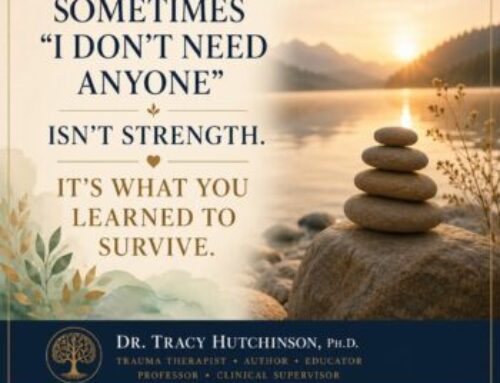
Key Points
- High-conflict parents often prioritize their needs over their children’s emotional well-being.
- Children of toxic parents often suffer from self-doubt and relational trauma into adulthood.
- “Walking on eggshells” and gaslighting are common experiences in high-conflict families.
Are you dealing with a high-conflict parent?
Have you ever thought, “My parent(s) need therapy”? Do you ever feel like you were the adult in your own family growing up? Maybe your parent was angry, unpredictable, distant, or emotionally unavailable—and you’ve spent much of your adult life trying to make sense of the pain. Have you ever found yourself wondering if your parents might have narcissistic traits, struggled with addiction, or were simply too emotionally immature to meet your needs? Maybe you can’t quite pinpoint it—you just know something was off. You have endured years of drama, confusion, and emotional pain that seem to follow you into adulthood. You’ve spent years trying to keep the peace, walking on eggshells, or carrying pain that still affects your relationships, confidence, and sense of self.
If this sounds familiar, you are not alone. Many adult children of high-conflict or toxic parents struggle with anxiety, self-doubt, and complicated relationships that echo their past. This is particularly complicated because many adult survivors in the early stages of healing feel guilty about betraying their parents and may minimize the true harm they have caused. Some adult children of HCPs may never even come to realize what has occurred due to their own minimizing or denying reality because of feeling disloyal and also trained or brainwashed by their parents and even extended family that the behavior was “normal.” Having a high-conflict parent or family member can wreak havoc and cause a lot of pain, anguish, and even changes to the brain.
What Are High-Conflict Parents?
High-conflict parents can take many forms—the volatile parent who yells and blames, or the distant one who avoids, neglects, or manipulates through guilt and silence. What they share is a focus on themselves, their needs, and their emotions—often at the expense of yours.
Do any of these feelings ring true to you?
- You feel exhausted and can’t think straight after interactions with them.
- The relationship has caused you chronic emotional pain, whether due to overt high conflict (yelling, emotional abuse, etc.) or covert high-conflict behaviors (such as neglect, avoidance, or emotional unavailability).
- You feel like you are trying to reason with the unreasonable.
- Your feelings have been dismissed, ignored completely, or even mocked throughout your life.
- You often say to yourself, “Did they really say that?”
- You recall past events differently, which causes you to question your sanity (known as gaslighting).
- You have felt you were or are always walking on eggshells (overt type) or wonder if your parent even cares about you or your needs (covert type).
If this sounds familiar, you’re not alone. Growing up in such environments can leave lasting wounds that shape the way you see yourself and others. Many adult children are suffering silently with relational trauma and don’t even know it.
The Outcome: Relational Trauma
These often toxic, high-conflict behaviors take a toll on survivors. Relational trauma, which is trauma caused by a relationship over many years, often commencing in childhood, can have devastating and long-lasting effects. For instance, this emotional trauma causes many adult children to suffer from low self-esteem, not feeling good enough or lovable, have low self-worth, a lot of negative self-talk, and may question their own inner voice and intuition because their emotions and experiences were not validated. You may feel alone, have perfectionistic tendencies to show you are “good enough,” or commonly accept or attract toxic partners yourself who demonstrate similar behaviors, whether narcissistic or even sociopathic.
But the good news is: You can break free. Whether you’re just beginning to question your relationship dynamics with your parents or family, or you are well into your healing journey, my book—Adult Children of High Conflict Parents: Find Freedom from Your Past, Heal the Pain of Toxic Relational Trauma, and Cultivate Lasting Self-Love—may help you avoid reliving the same painful patterns. As you learn more about toxic parental and family dynamics, you can take charge of your relationships with boundaries, your life, heal a lifetime of past hurts and pains, and learn to cultivate lasting self-love and self-worth.
Copyright 2025: Dr. Tracy Hutchinson, Ph.D.
Would you like more information about trauma therapy in Ft. Myers, FL or online therapy in Rochester, New York? Contact Dr. Hutchinson today »
Dr. Hutchinson is a trauma and EMDR therapist offering online therapy in New York and online therapy in Florida.