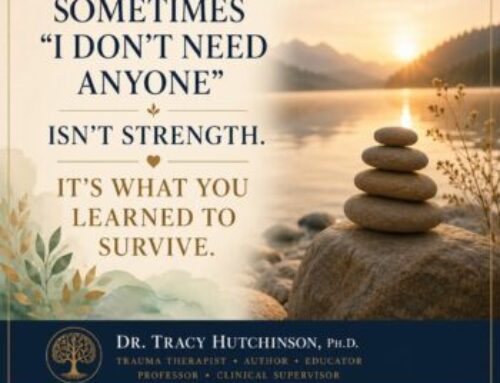
There is a particular kind of grief that can emerge after a difficult childhood, especially for adults raised by high-conflict, narcissistic, emotionally dramatic/unavailable, or highly critical parents. It is the grief of accepting the parent and family you needed but never truly had. This particular grief is usually uncovered in adulthood when you begin to see your childhood without minimizing it, explaining it away, or viewing it through the hope that things were better than they truly were. This realization can be profound: your parents may have given you what they were capable of giving, but they did not give you what you needed because:
That truth can be painful to name. Parts of you don’t want to say it or say it outloud because of loyality or it’s just too painful. However, it is also often an essential part of healing. Grieving emotionally unavailable parents does not mean you hate them. It does not mean you are trying to villainize them, erase the good moments, or deny the ways they may have struggled themselves.
It means being honest about the impact of what you lived through.
What You May Be Grieving
When people think of grief, they often think of death. But grief can also arise from losses that were never acknowledged because they were not visible to others. It can also be from relationships with living relatives that you do not have, because you can’t, for your own emotional safety and self-respect.
You may be grieving the loss of parents and family you have, but never had. This shows up as:
- “Living losses” such as the estrangement or minimal superficial contact with parents or family members.
- A parent did not notice or respond to your feelings consistently, if at all.
- Your feelings of being emotionally alone.
- Consistency, comfort, and protection.
- Being understood rather than criticized or dismissed.
- The freedom to be a child instead of managing other people’s emotions.
- Having your needs matter without having to earn care or approval.
- The lack of emotional safety in your upbringing, or current relationships with loved ones.
These are not small losses. Children need attuned care. They need adults who can help them feel safe, make sense of difficult emotions, and know that they matter. When those needs are repeatedly unmet, children often adapt by becoming hypervigilant, self-reliant, overly responsible and/or independent, perfectionistic, or disconnected from their own feelings. Those adaptations may have helped you survive then, but they can also become painful patterns later in life.
Loving Your Parents Does Not Cancel the Harm
Many adult children struggle to acknowledge harm because they still love their parents. Many say at the beginning of the counseling process, “My parents did the best they could,” or “They had difficult childhoods too.” Both things may be true. Context can matter. Compassion can matter. But it can be harmful if it requires denying your own pain, harm, and experience.
You can hold two truths at the same time:
I loved you. (I wish you thought I was enough, etc.)
I was not emotionally safe there.
You can recognize that a parent had limitations without pretending those limitations did not affect you. You can appreciate what they provided while grieving what they could not provide. This is not disloyalty. It is emotional honesty and, most of all, honoring your emotional needs first after a lifetime of putting them last.
Grief After a Difficult Childhood Is Not One Moment
Acceptance is rarely a single conversation, insight, or decision. Grief after a difficult childhood often arrives in quieter ways. At times, the pain may be more acute and triggered by everyday interactions. For example, it may show up when you feel unexpectedly sad after seeing a loving parent-child interaction in public or with friends. It may arise when you realize how hard you work for approval in adult relationships. It may appear on Holidays or after a family gathering, a dismissive comment, or an interaction that leaves you feeling small again.
You may grieve when you notice that you are still waiting for an apology, a moment of recognition, or the emotional rescue you needed as a child. To be clear: This does not mean you are moving backward. It means you are allowing yourself to feel what may not have been safe to feel before.
Grief is not linear, and it does not need to be “finished” in order for healing to be real. Sometimes it becomes less consuming over time. Sometimes it returns when a new stage of life reveals another layer of what was missing.
That is human.
Why Acceptance Can Hurt More Than Anger
Anger can be immediate. It can provide energy, clarity, and a sense of protection. In many cases, anger is a healthy response to being harmed or dismissed. Acceptance is different.
Acceptance can mean recognizing that the parent you keep hoping for may not be able to or willing to become that person. Ever. It can mean releasing the belief that if you explain yourself perfectly, work hard enough, stay close enough, or become successful enough, you will finally receive the love, accountability, or understanding you have wanted. Acceptance may mean facing the painful reality that change is not always just around the corner.
That hurts because hope has often served an important purpose. Hope may have helped you stay connected, cope with uncertainty, or make sense of an unpredictable family system. But acceptance is not giving up on yourself. It is giving up the exhausting work of trying to make someone else become who you needed them to be.
You Are Not “Letting Go.” You Are “Letting Yourself In.”
People often describe healing as “letting go.” But for many adult children of high-conflict parents, healing is less about detachment and more about allowing yourself to finally come into view. It means letting in:
- Your feelings you had to suppress.
- Your needs you were taught were too much.
- You learned to minimize your grief.
- Your repressed anger you were not allowed to express.
- Self-compassion that was missing when you needed it most.
This is not self-indulgence; this is repair. When you begin to acknowledge your own emotional reality, you can stop organizing your life around someone else’s limitations. You can begin making choices based on what feels safe, respectful, and aligned for you.
The Heart of Healing
Healing from high-conflict parenting isn’t about forgetting.
It’s about:
- seeing clearly
- feeling deeply
- and finally allowing yourself to mourn what was lost
This is not for blame, but for truth.
Healing is Possible
These are themes I explore more deeply in my book, Adult Children of High Conflict Parents, where I take a closer look at how these early experiences shape us—and how we can begin to move forward in a different way. Order here
Dr. Hutchinson is a trauma and EMDR therapist offering online therapy in New York and online therapy in Florida.
Would you like to learn more or EMDR therapy in Rochester, NY or Ft. Myers, FL? Contact Dr. Tracy Hutchinson today »
References
Hutchinson, T.S. (2025). Adult Children of High-Conflict Parents: Find Freedom from Your Past, Heal the Pain of Toxic Relational Trauma, & Cultivate Lasting Self-Love. New Harbinger: CA.
Copyright 2026: Dr. Tracy Hutchinson, Ph.D